Hydrolats: aqueous distillates
It is no secret that plants hold great power in their natural components. A practical and effective way to make the most of their properties is through hydrolats, aqueous distillates with countless benefits.
Just like essential oils, this innovative product has endless uses and can be used by people of all ages.
We are suppliers
As specialists in the development and distribution of excellent-quality hydrolats, at IBSINA we are at the service of entrepreneurs large and small. Whether you need them to develop your own products or wish to start selling them locally, we will be glad to advise you on the choice and handling of natural hydrolats.
Where to buy them?
If you are looking to purchase quality hydrolats in volume, IBSINA is your best option in Spain. We handle a good variety of substances derived from various plants, available for companies and self-employed professionals across different sectors.
Cosmetic, food and therapeutic products can benefit from this excellent raw material at a more than convenient price. We invite you to contact us online to discuss your project.
What are they and what are they used for?
Hydrolats are substances obtained from specific parts (flowers, fruits, roots, stems, leaves, etc.) of different plants, through steam distillation.
In this way, the hydrolat contains the aromatic principles of the plant that are water-soluble or retained in the water. They are characterised by possessing most of the properties of the essential oil of the plant of origin, in a lower concentration than these. For this reason and more, they are frequently used as a food, therapeutic and, above all, cosmetic resource.
Each one has multiple healthy uses. Some of the most common uses are:
- Toners or cosmetic waters.
- Excipients for cosmetics or pharmacy.
- Perfumed and deodorising waters.
- Aromatic food additives.
Difference between hydrolat and floral water
Hydrolats have often been confused with floral waters, although they are different products. There are five notable differences between the two:
- Under the right conditions, a hydrolat is able to retain its properties for 6 months to a year. The shelf life of floral waters reaches a maximum of 6 days, and that is with preservatives.
- They are distilled from plants using steam. Floral water is obtained by making infusions with plants.
- They are colourless or slightly pale. Floral water retains the colour of the plant.
- They keep the natural scent of the plants. Floral water does not, which is why fragrances are usually added to it.
- They contain the essential oils of the plant in minute amounts, whereas floral water does not.
Properties
The properties will depend on the plant of origin and on the specific sector we are referring to.
Cosmetic sector
Cosmetic properties
- They promote hydration and healing.
- They promote purification and deodorisation.
- They decongest and soothe irritated skin.
- They eliminate toxins and unpleasant odours in the environment.
- They exert aromatherapeutic effects through the sense of smell: sedative, soothing, stimulating, inspiring…
- They strengthen and hydrate the hair.
Applications in cosmetics
A great advantage of their composition is that they are safe and effective on any skin type. Since they contain no toxins or artificial substances, they have no contraindications and are sustainable for the environment.
Within cosmetics, hydrolats provide us with a wonderful base for preparing all kinds of formulas: exfoliants, masks, facial toners, hair lotions, micellar waters, creams and soaps. Likewise, they can be used on their own, such as micellar waters. One of the most common uses of hydrolats is as a facial water or toner.
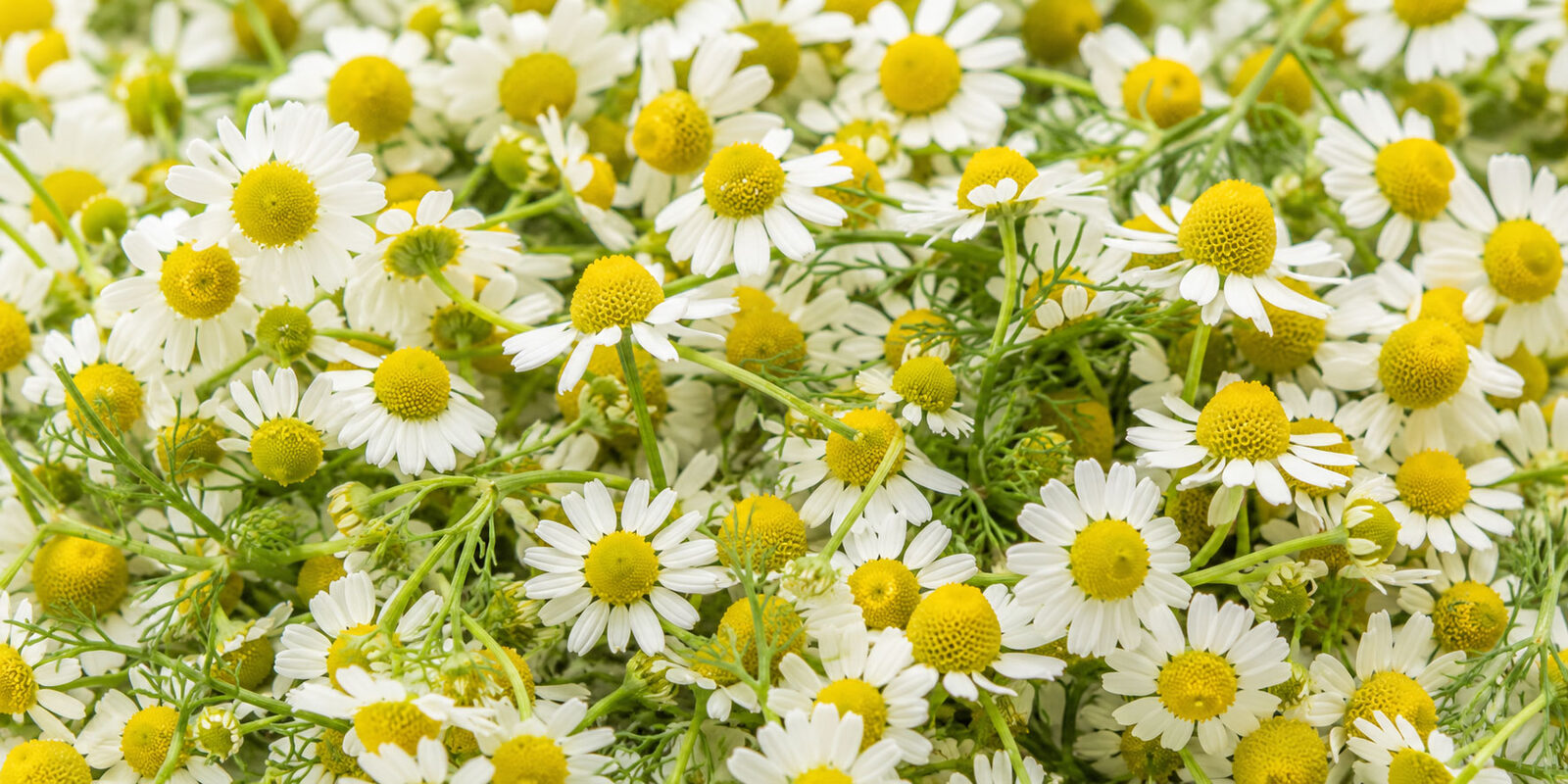
Chamomile and lavender ones are usually ideal, thanks to their decongesting and soothing effects. Another excellent option is witch hazel, known for its astringent properties. But without a doubt, the best known and most widely used is rose, which, thanks to its astringent, purifying, healing, antioxidant and disinfecting properties, is a great ally in the formulation of all kinds of cosmetic hygiene and care products.
Food sector
Hydrolats can be used in the food industry and in the production of nutraceuticals, taking advantage of their flavouring properties and their aromatic composition.
At IBSINA you will find food-grade hydrolats, natural and/or organic, suitable for inclusion in countless formulas and preparations of the small and large food industry, whether in bakery, confectionery or pastry preparations, or in products for catering and cocktail bars.
We find digestive hydrolats with carminative and eupeptic functions, such as mint or sweet fennel; soothing ones, such as lavender or orange blossom; or stimulating ones, such as mint.
Want this raw material for your project?
We advise you on selection, quotes and development. Tell us what you need and we will reply with documentation and availability.
Contact IBSINA