What are vegetable oils and how are they made?
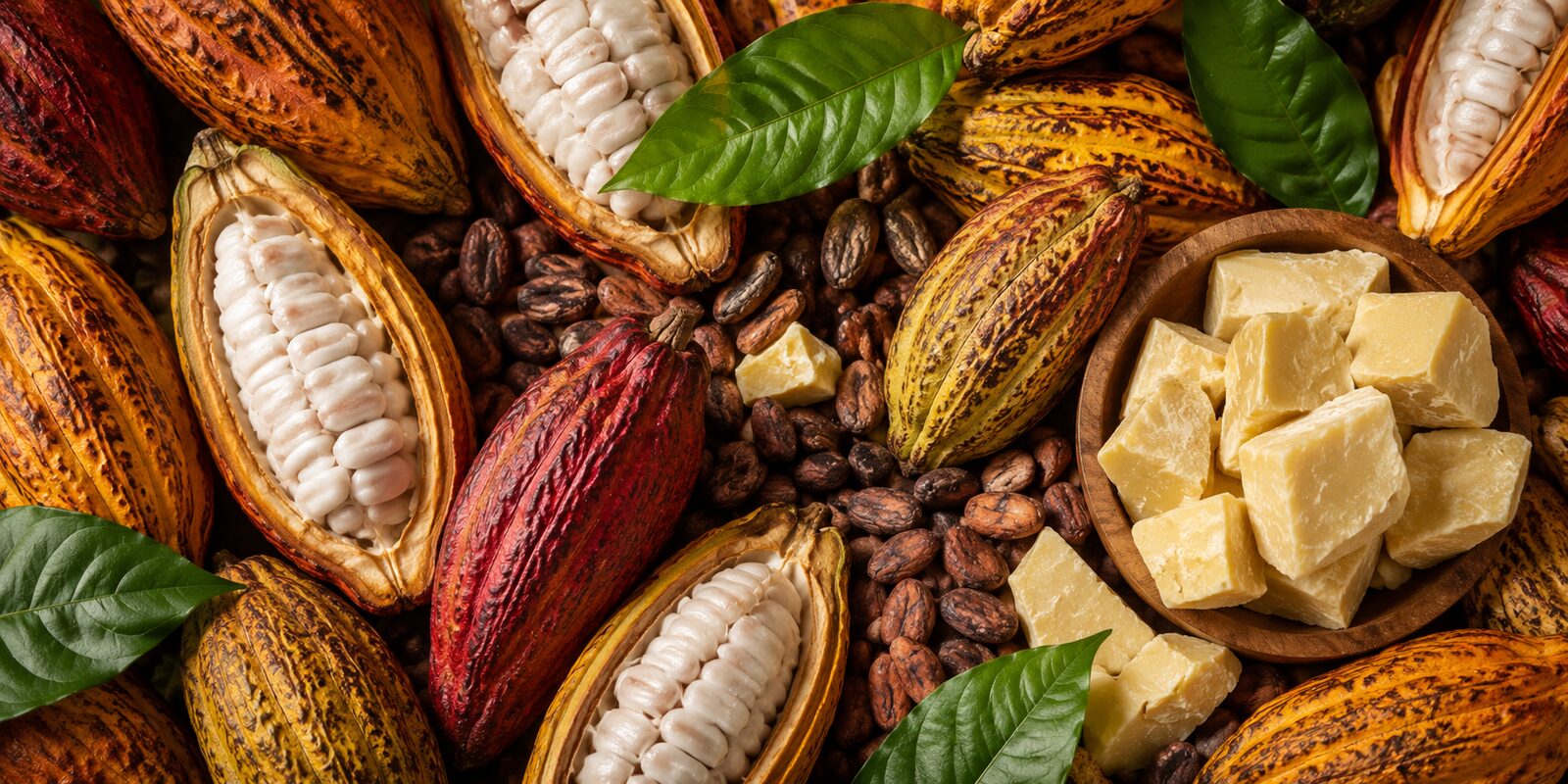
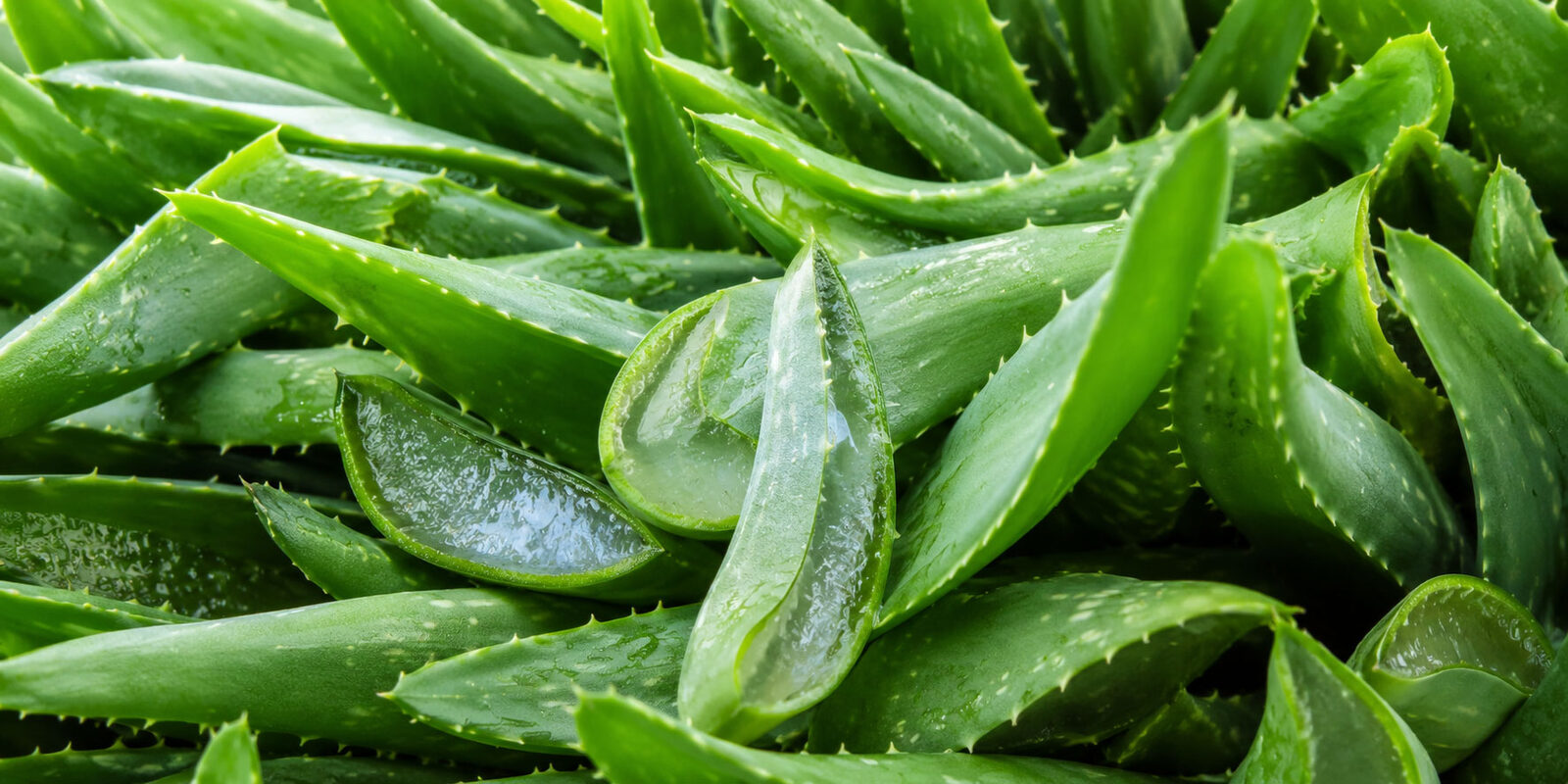
In short, vegetable oils are obtained by pressing oilseeds (such as sunflower, olive or coconut). Depending on how they are produced, there are two main types:
- Virgin: cold-extracted using mechanical processes, without heat or chemicals. They retain all their nutrients, flavour and aroma.
- Refined: they undergo purification and filtering processes (sometimes with chemicals, sometimes only with heat). They are more transparent, odourless and have a longer shelf life, but they lose some natural components.
In addition, oils can be organically grown or conventional, which also affects their quality and benefits.
What are vegetable oils used for?
1. Skin and hair care
Vegetable oils are incredibly versatile in the world of cosmetics. You can use them to moisturize the skin, nourish the hair and even strengthen the nails. They work as a base for creams, massage oils and other products.
The best part is that, besides being moisturizing and emollient, each oil has its own unique properties: some help combat ageing, others are perfect for sensitive skin, and others add shine to the hair. A real all-rounder!
2. Healthy and delicious cooking
In the kitchen, vegetable oils provide not only energy but also essential nutrients such as healthy fatty acids, vitamins and antioxidants.
For example, a good extra virgin olive oil can turn a dull salad into an explosion of flavour. And if you like to experiment, try oils such as coconut or sesame to give your dishes an exotic touch.
👉 Tip: use 1 or 2 tablespoons a day, raw or combined with your favourite recipes.
3. Aromatherapy
If you are a fan of essential oils, you need a good vegetable oil as a base. These oils act as a “carrier” to dilute essential oils and apply them safely to the skin, or even orally (always under supervision).
You can also use them to create custom blends for massages, relaxing baths or topical treatments.
4. Other practical uses
On top of all this, vegetable oils have applications in sectors such as livestock farming, pharmacology and industry. They are super multifunctional!
Virgin vs refined oil: which one to choose?
Virgin oil: if you are looking for purity and natural benefits, choose virgin oils. They retain all their nutrients, such as antioxidants, vitamins and bioactive compounds. That said, they have a shorter shelf life and need more care to keep them from oxidizing. 👉 Tip: to make them last longer, store them tightly closed, away from light, and add a little natural vitamin E (0.1%-0.2%).
Refined oil: if you prefer a more neutral oil with greater durability and less aroma, opt for refined ones. Although they lose some quality during the process, they are ideal for certain practical or culinary uses.
Before using them, keep in mind…
Choose the right one for each use: not all oils are the same, so look for the one that best suits your needs, whether in cooking, cosmetics or any other field.
Check for possible allergies: some people are sensitive to certain oils or seeds, so always do a test before using them.
Store them properly: keep your oils in a cool, dark place so they don’t go rancid.
Want this raw material for your project?
We advise you on selection, quotes and development. Tell us what you need and we will reply with documentation and availability.
Contact IBSINA